
The Story of Quamby
Nearly 200 Years of Tasmanian History
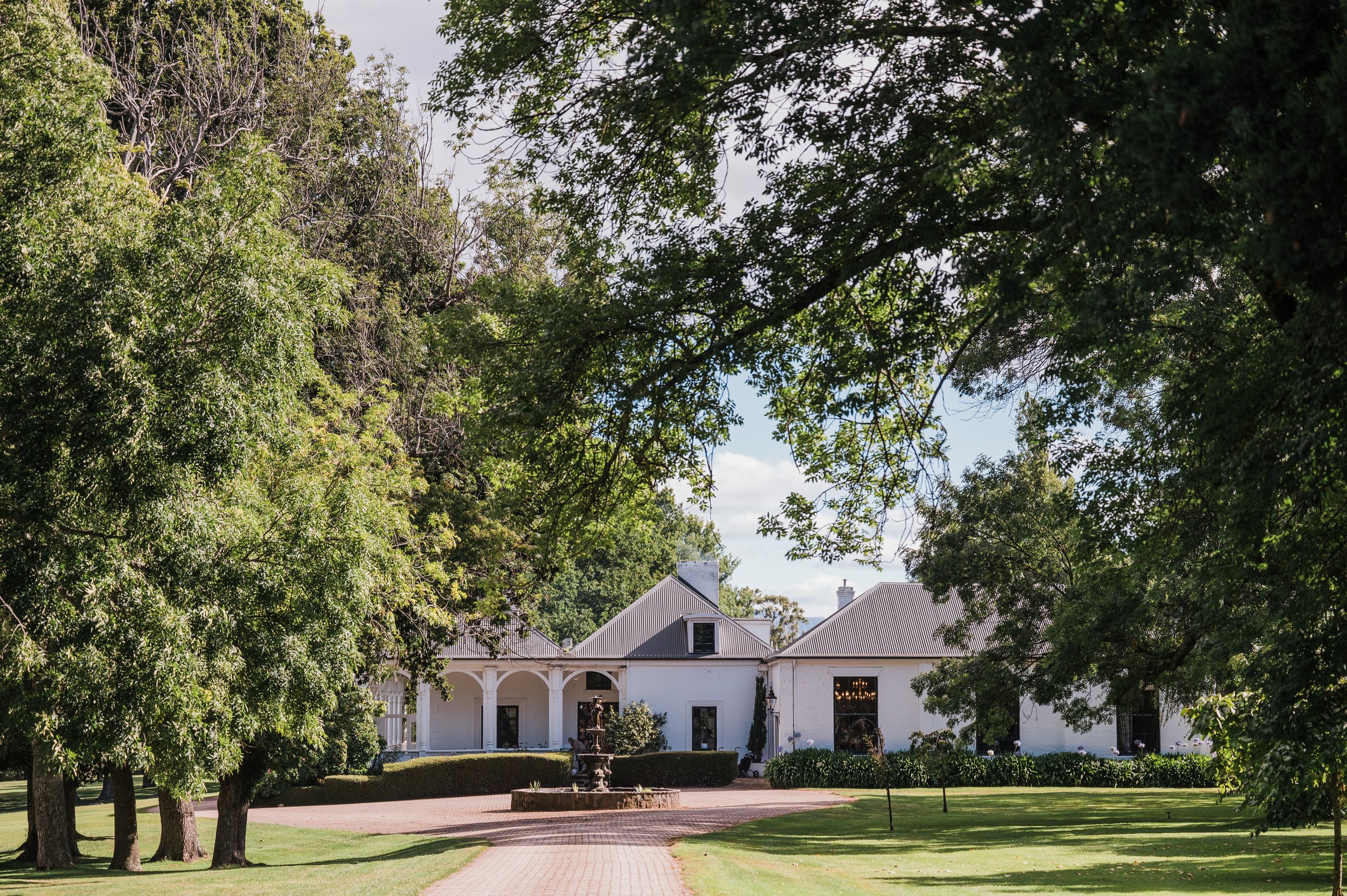
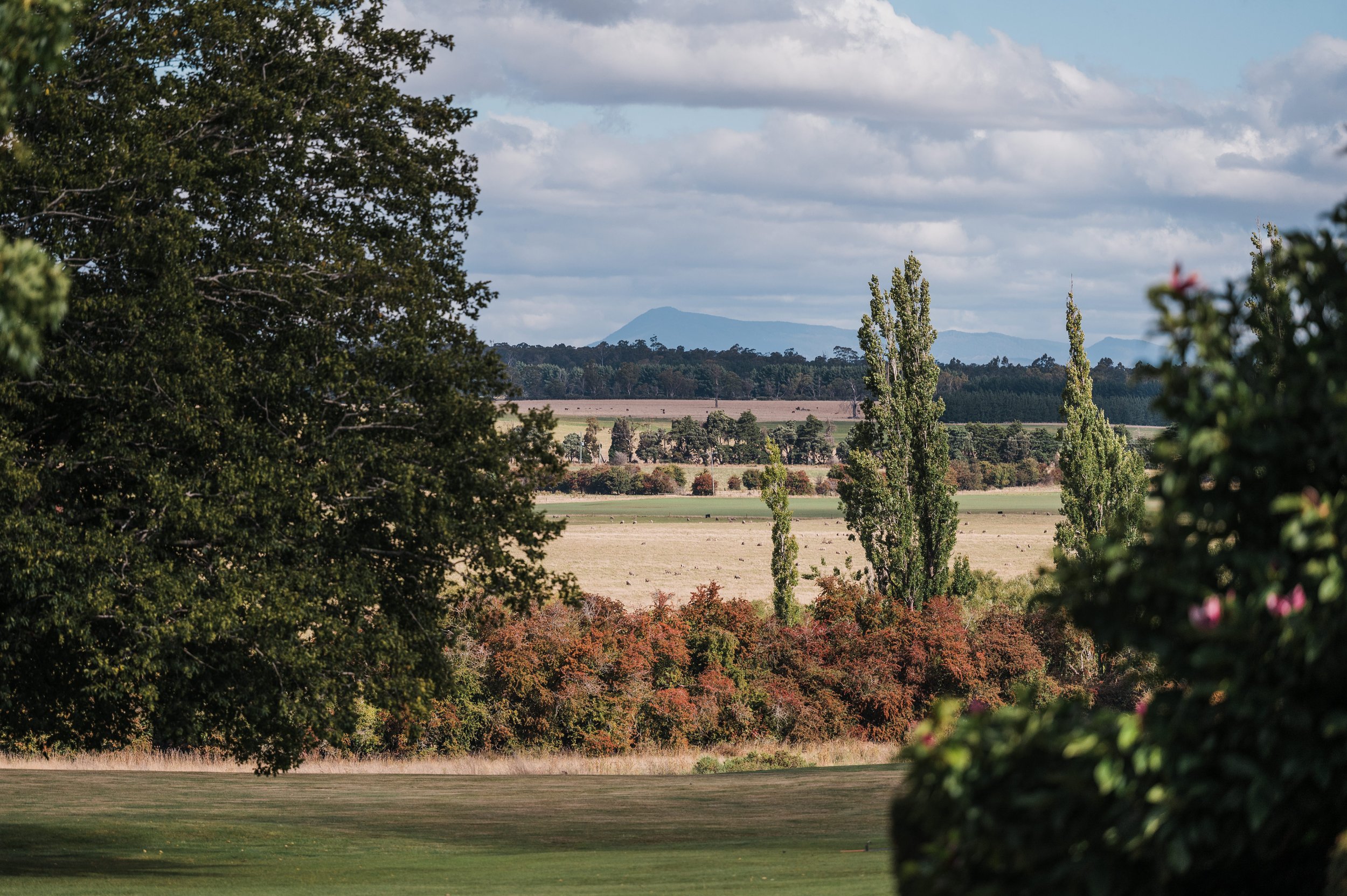
Set across 150 acres in Tasmania’s beautiful Meander Valley, Quamby Estate is one of the region’s most significant historic country estates.
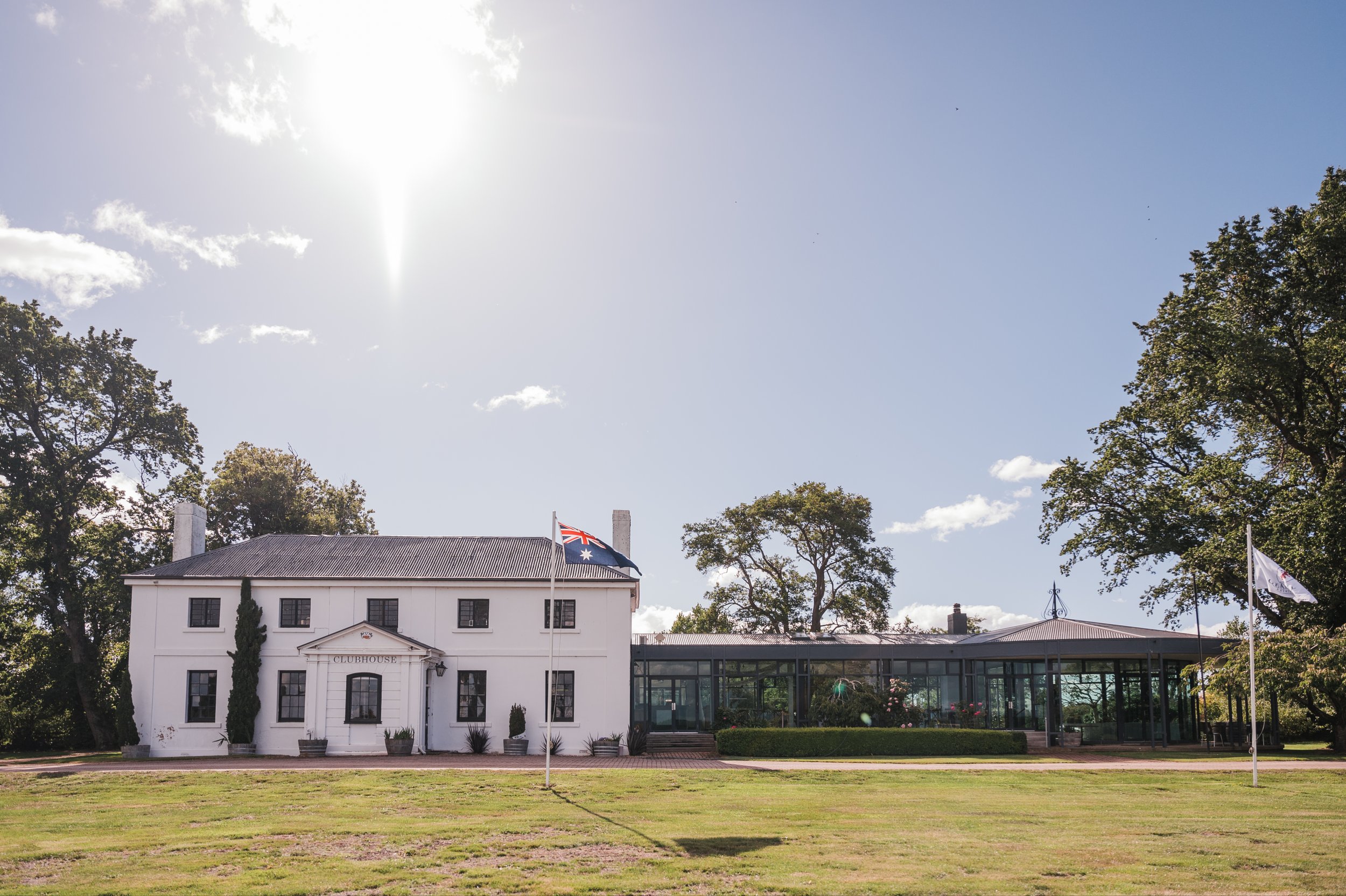
At its heart stands Quamby Homestead, completed in 1828 and once home to Sir Richard Dry — the first Tasmanian-born Premier and one of the most influential figures in Tasmania’s early political history.
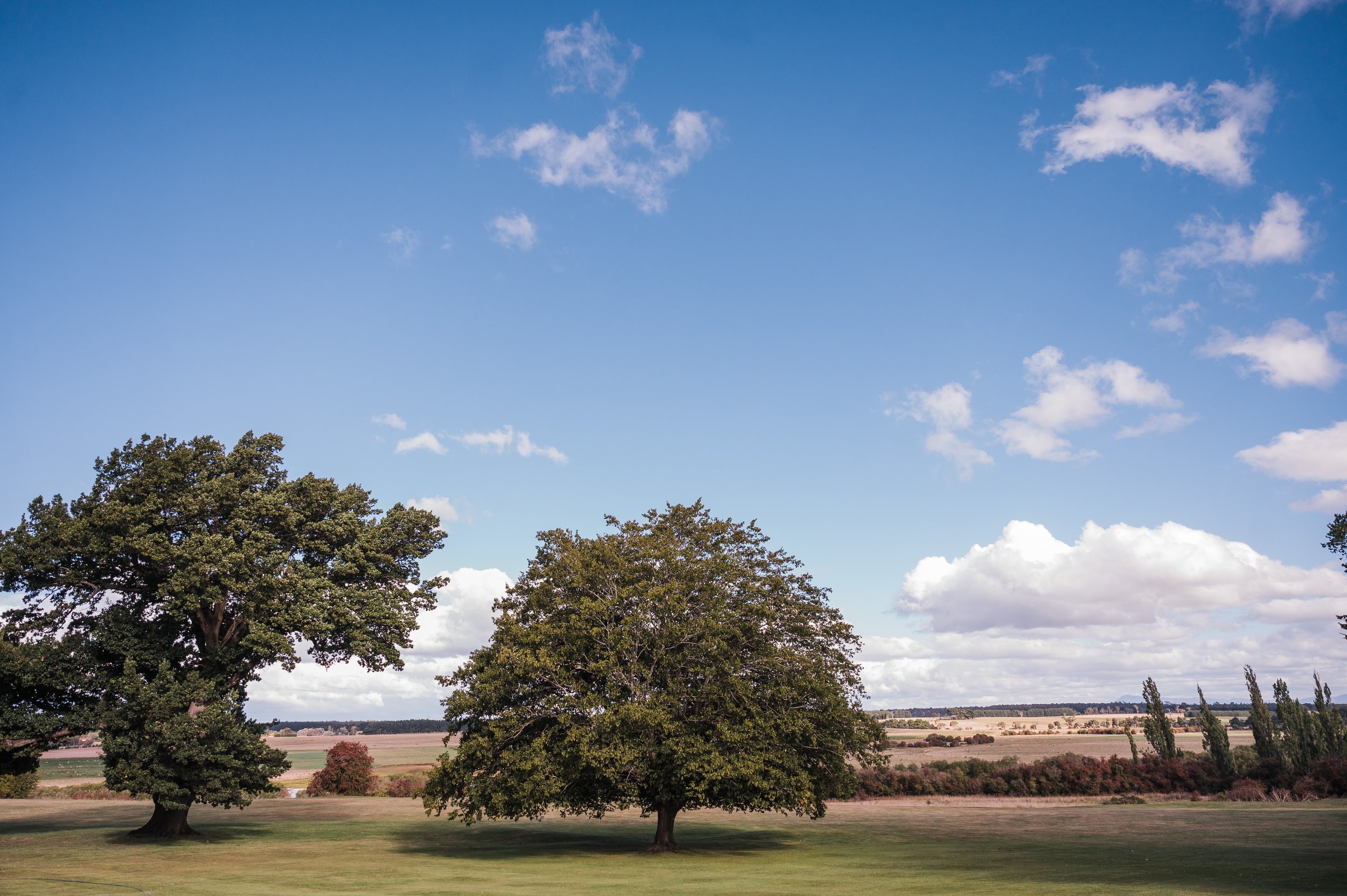
Today, almost two centuries later, Quamby remains a place to gather, celebrate and stay, surrounded by magnificent old trees, sweeping lawns and the landscape that has defined the Estate for generations.
The Homestead
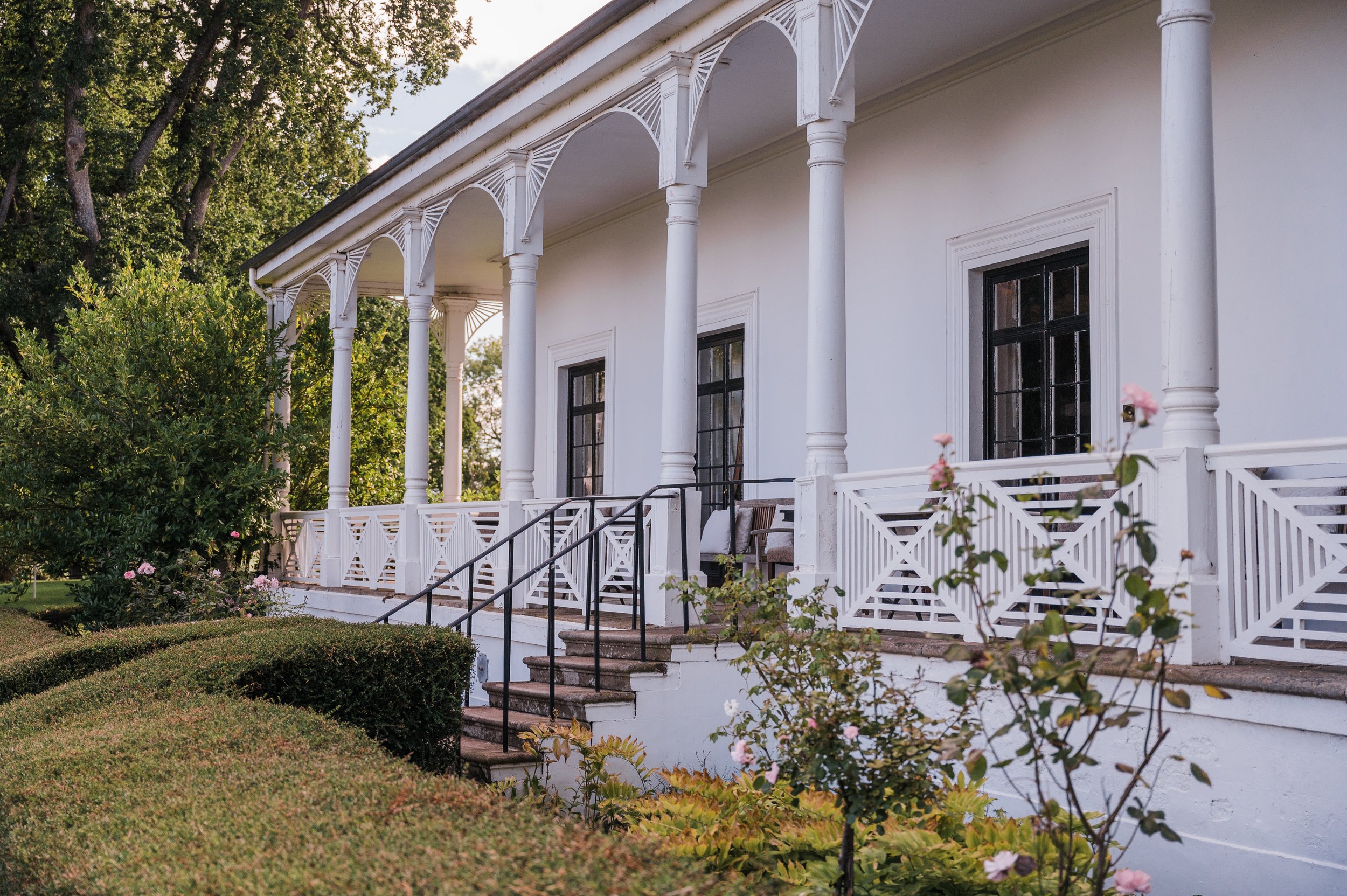
Quamby Homestead is distinguished by its beautiful Anglo-Indian influenced architecture, generous proportions and elegant entertaining rooms.
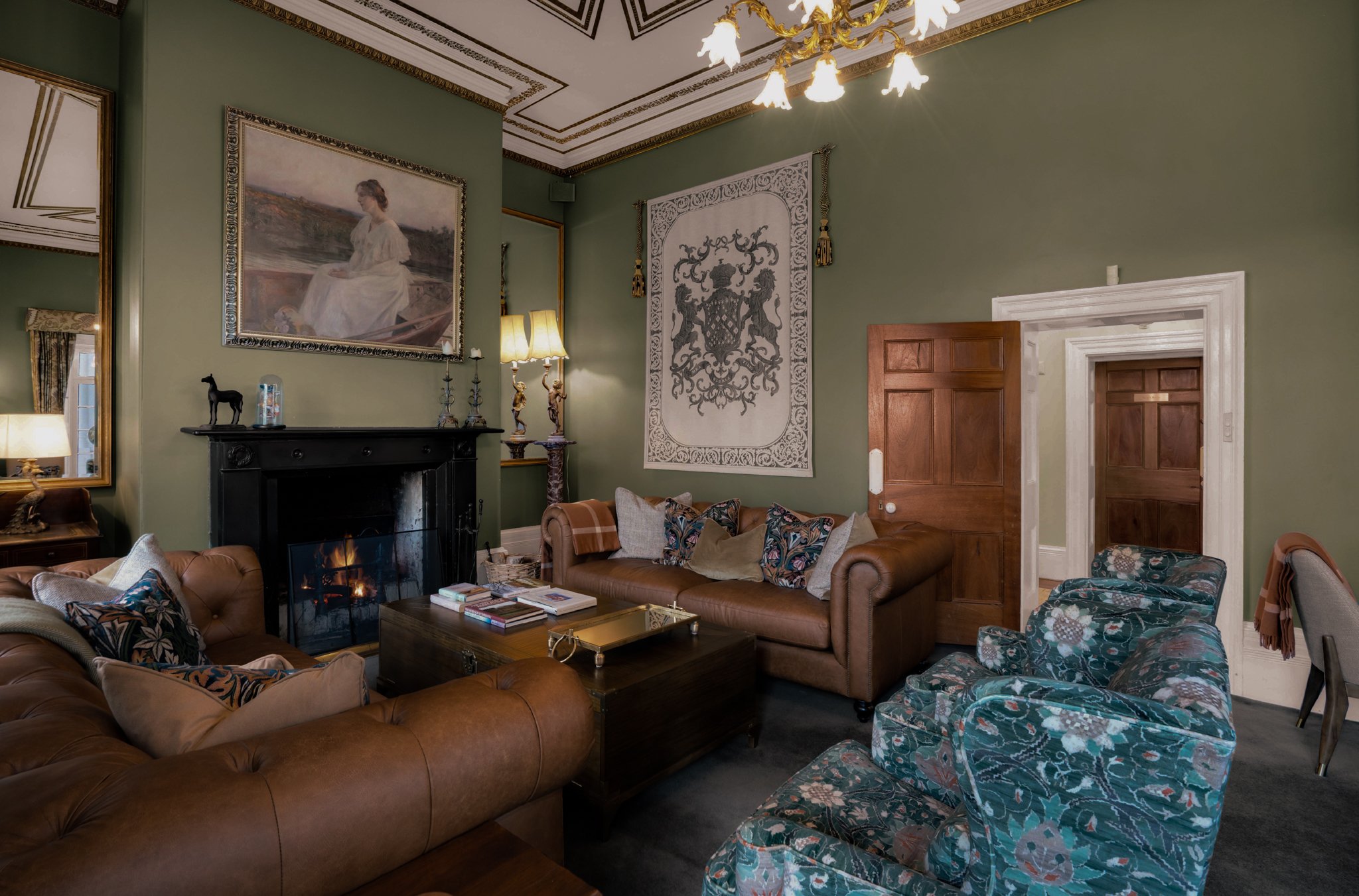
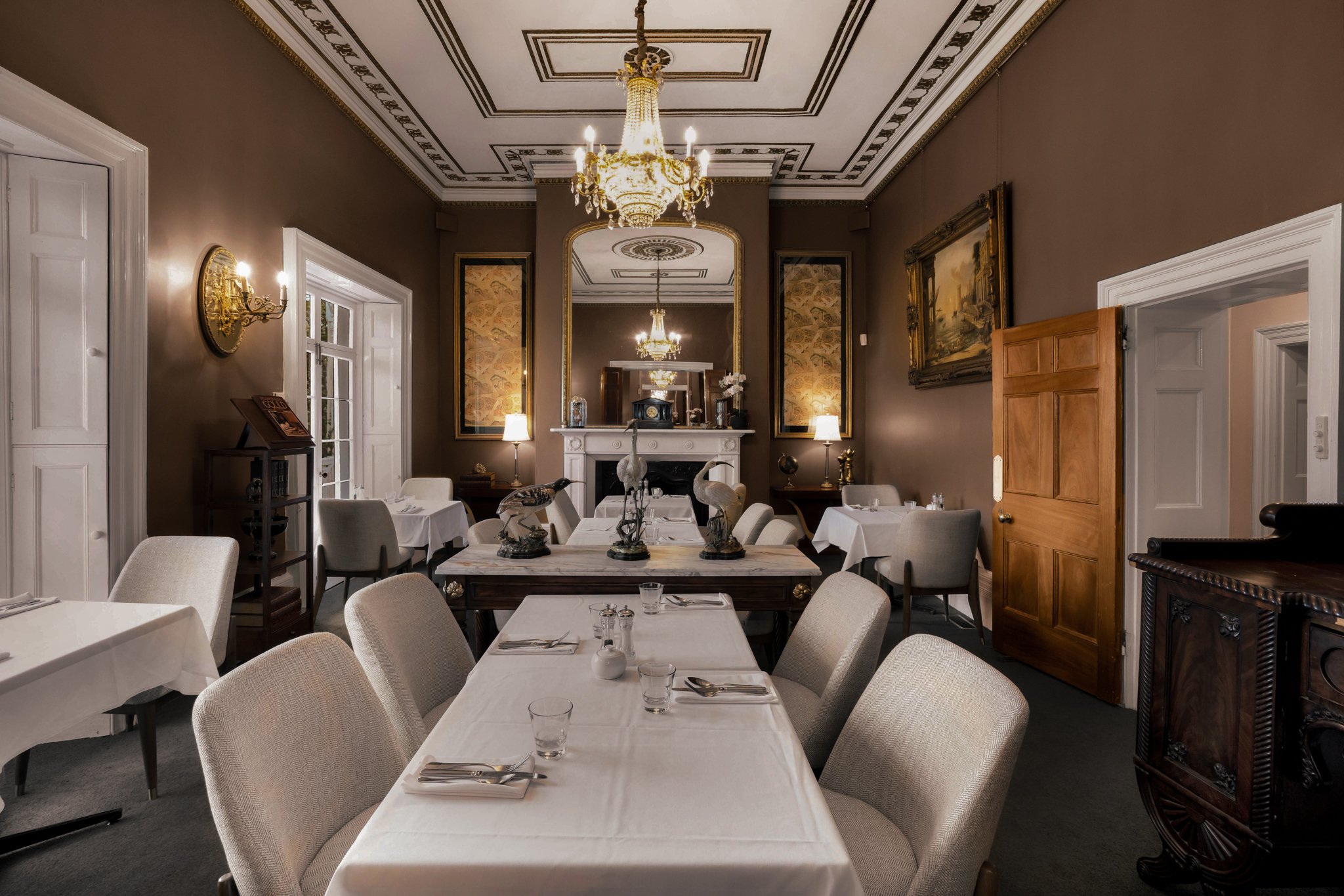
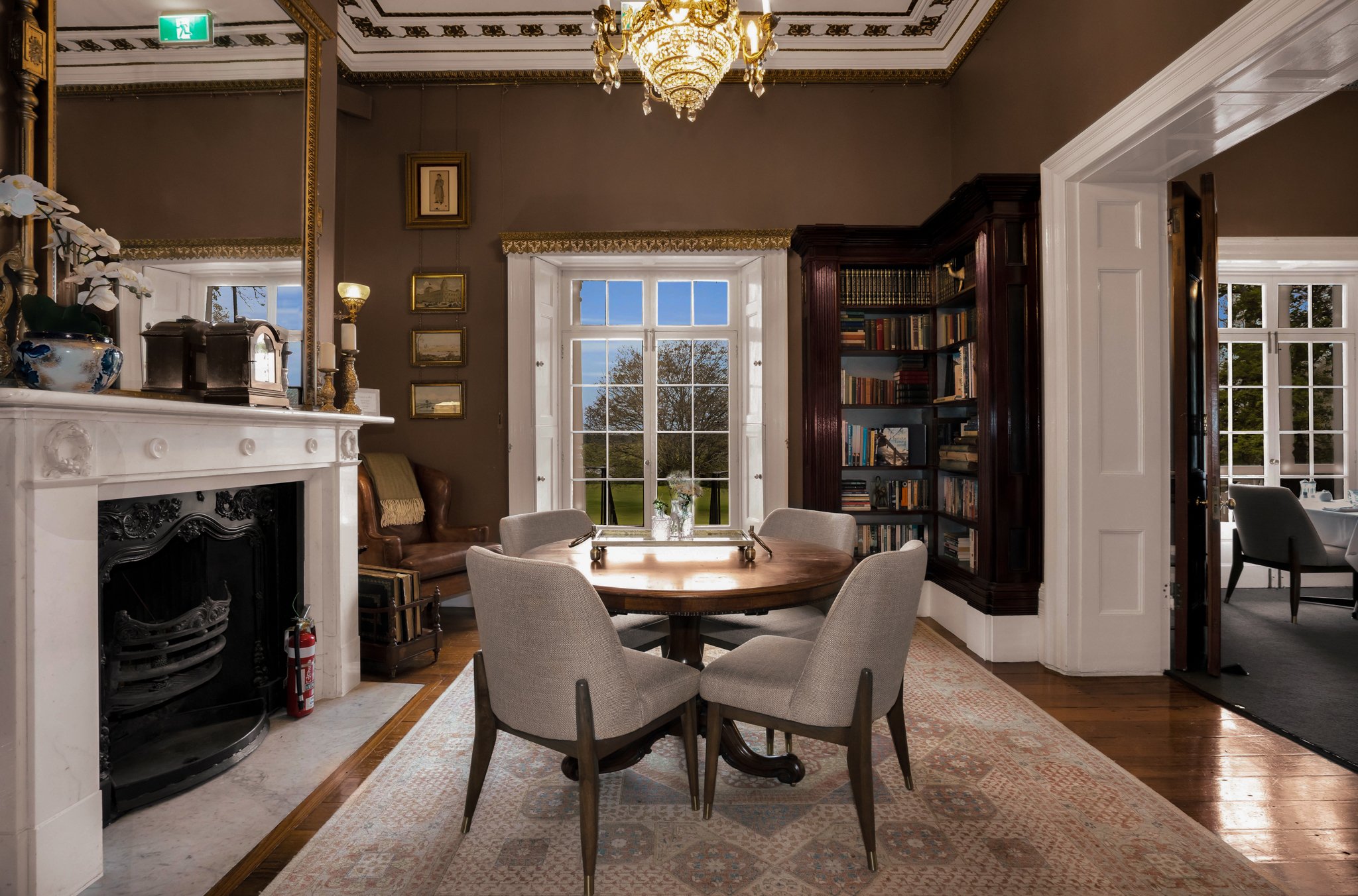
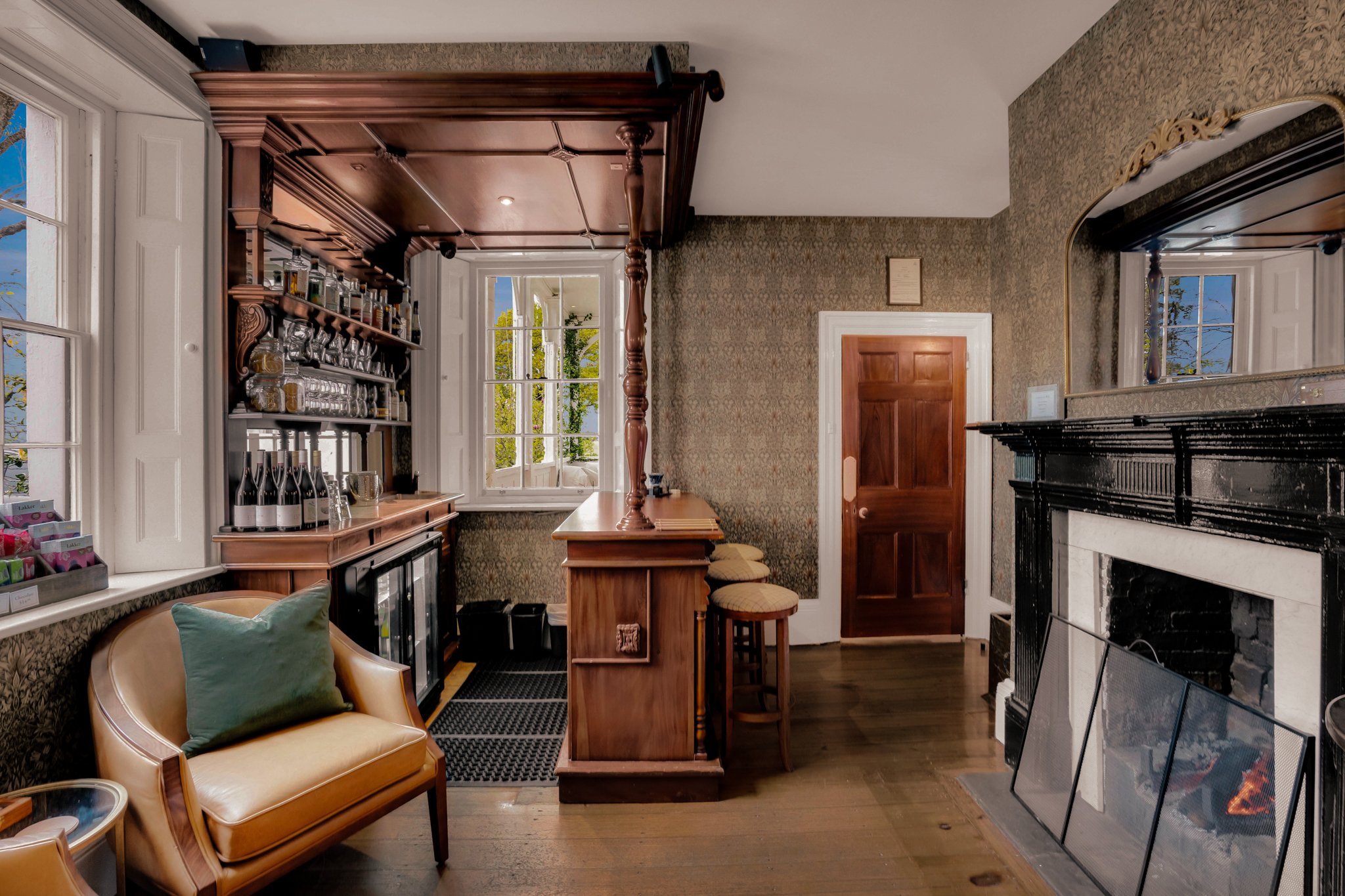
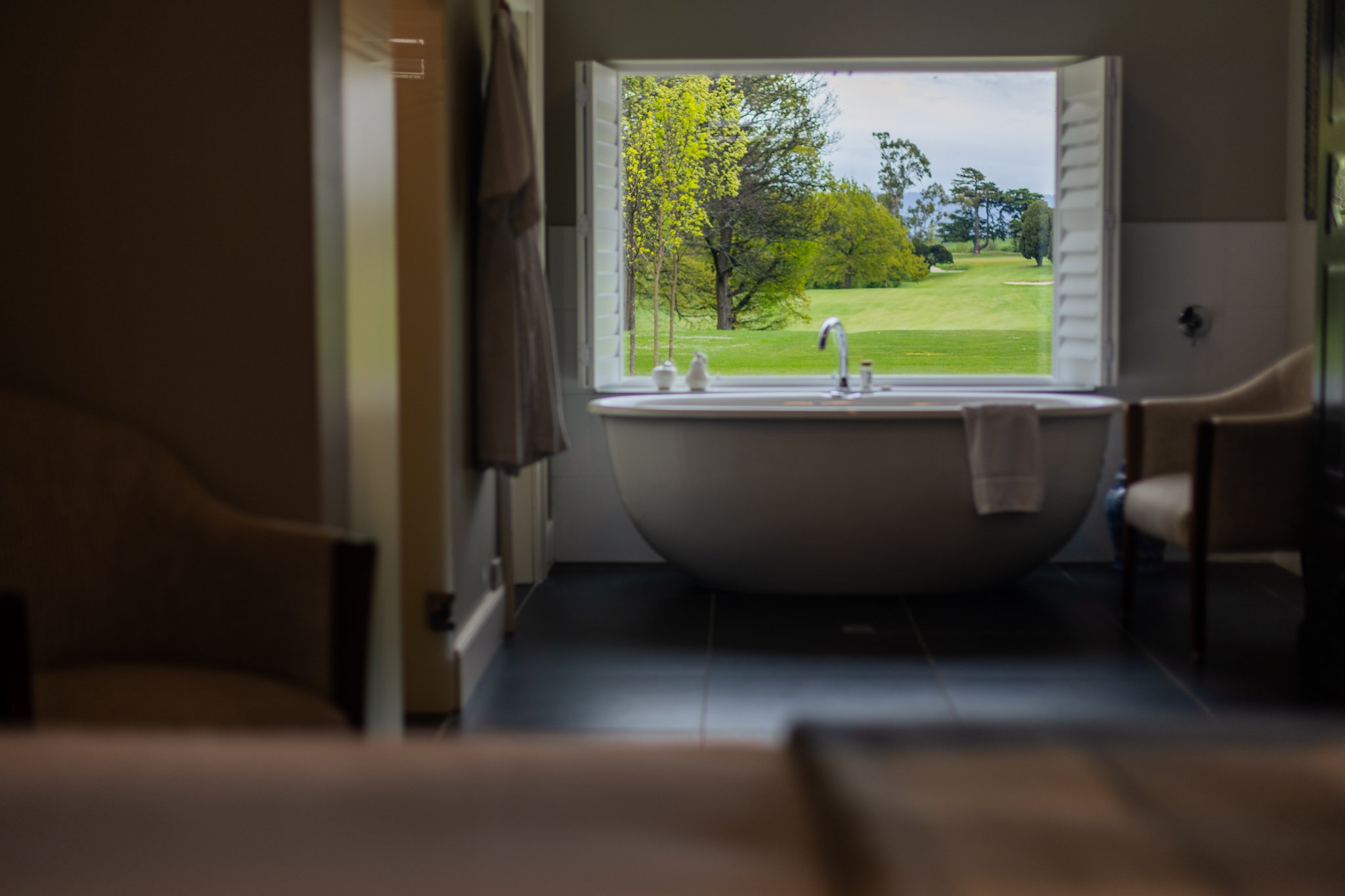
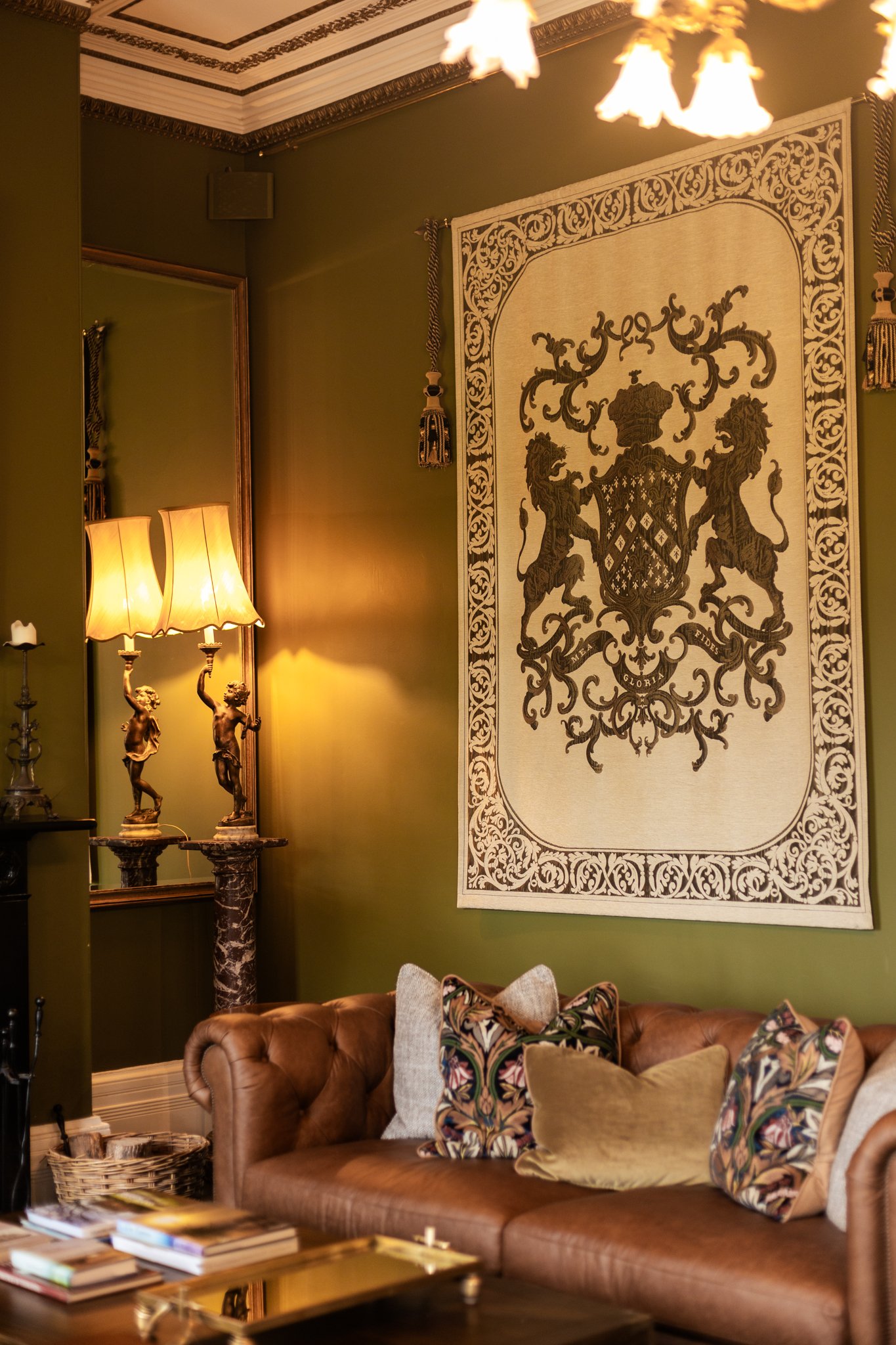
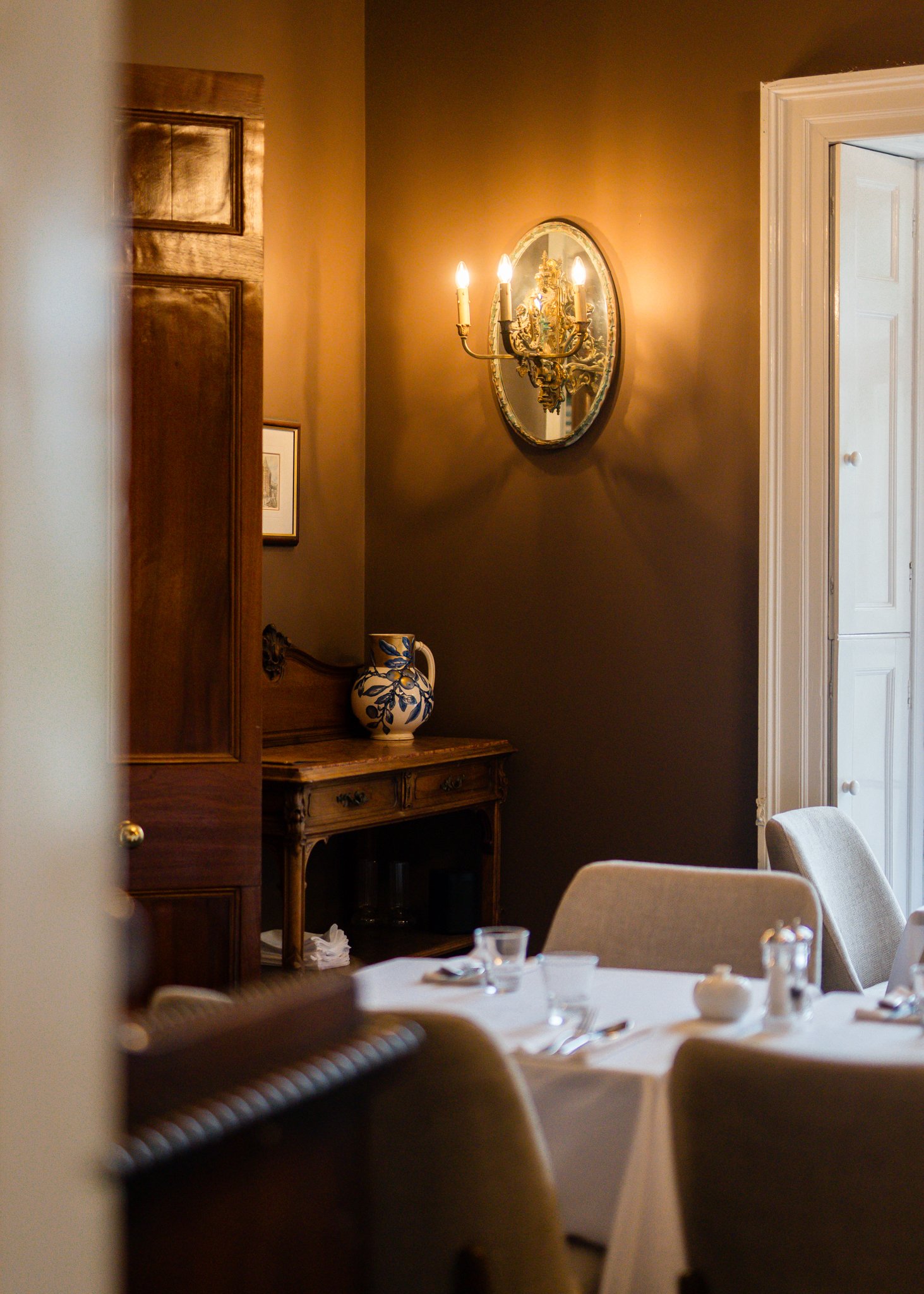
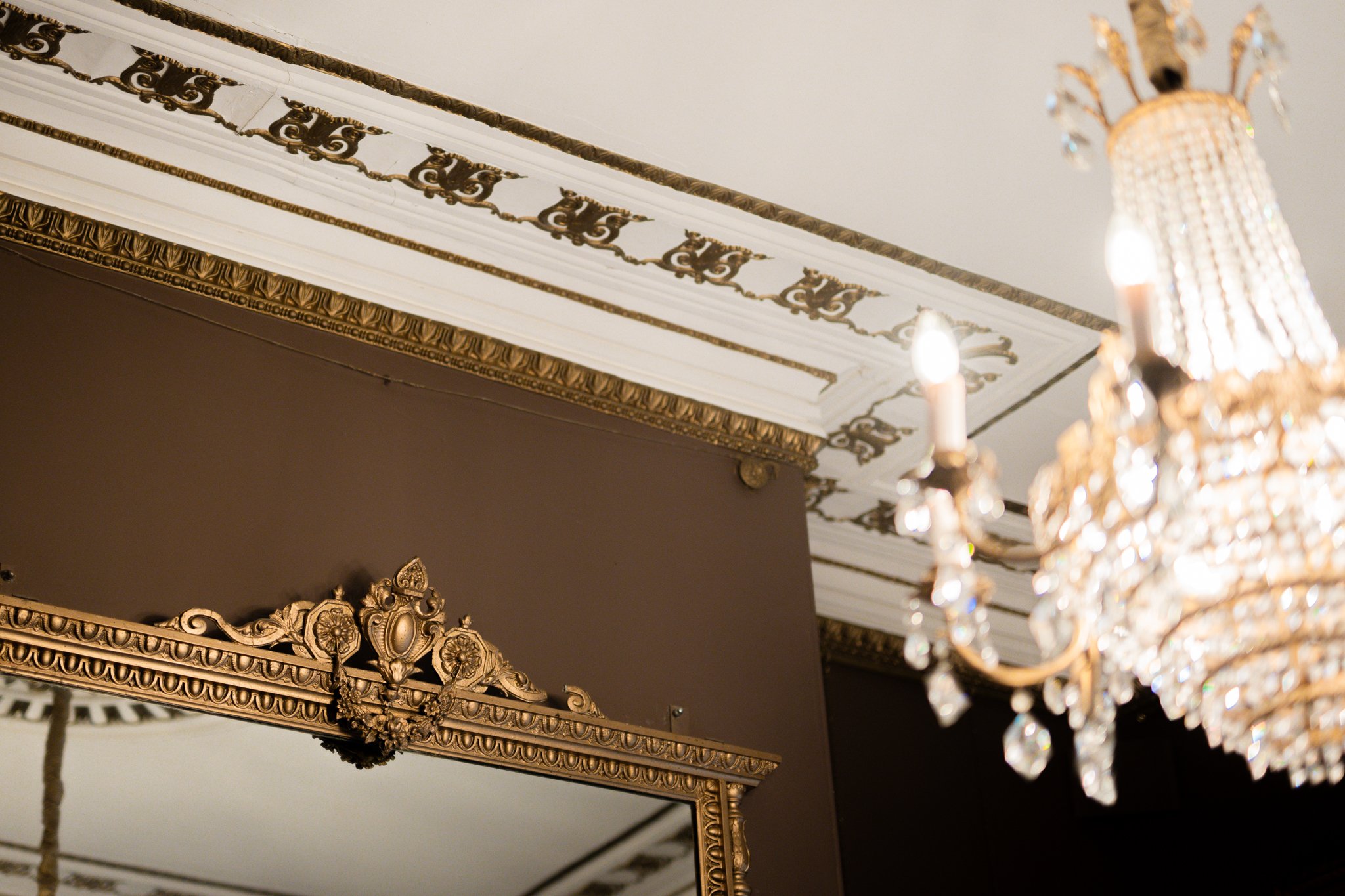
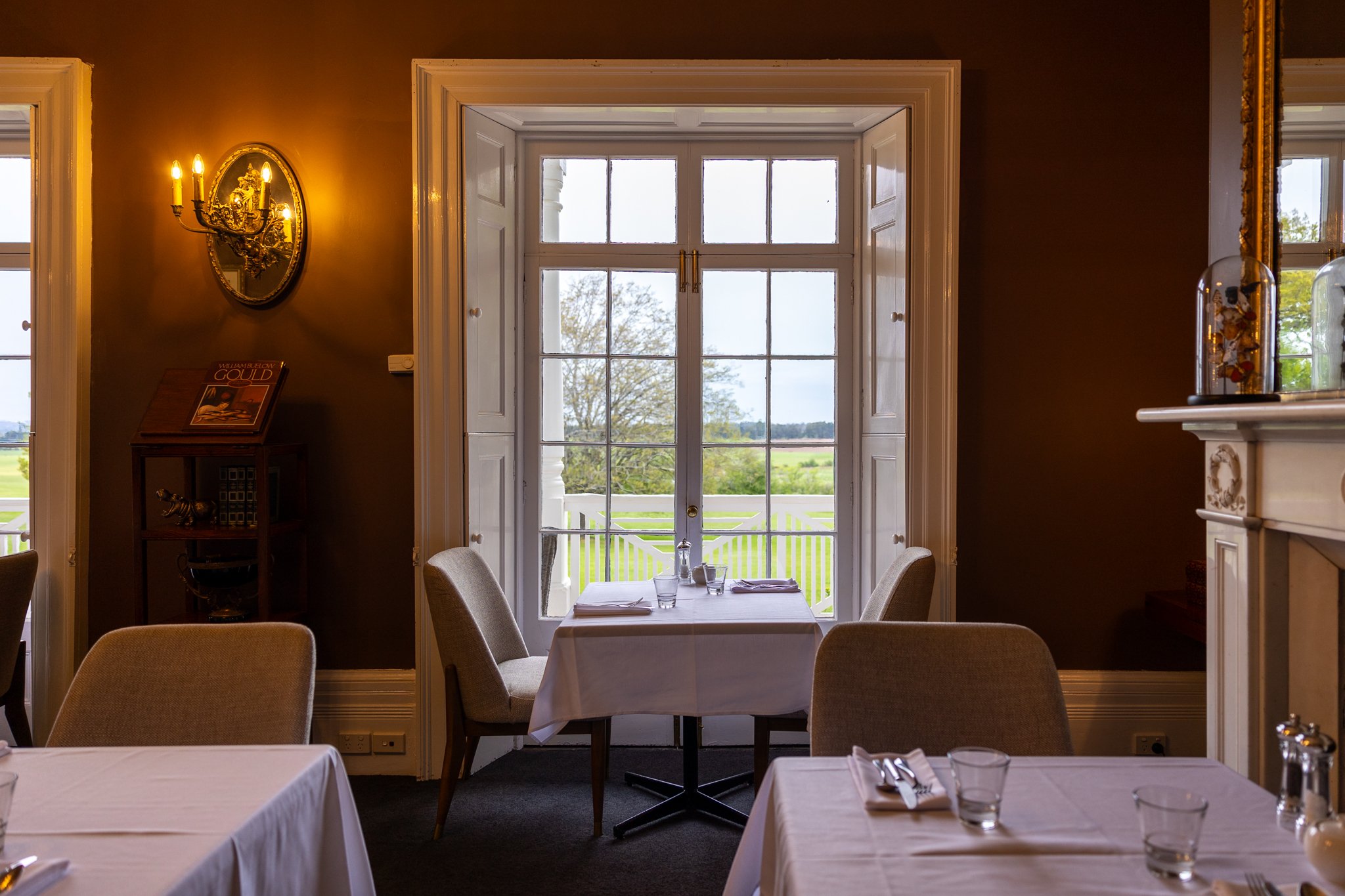
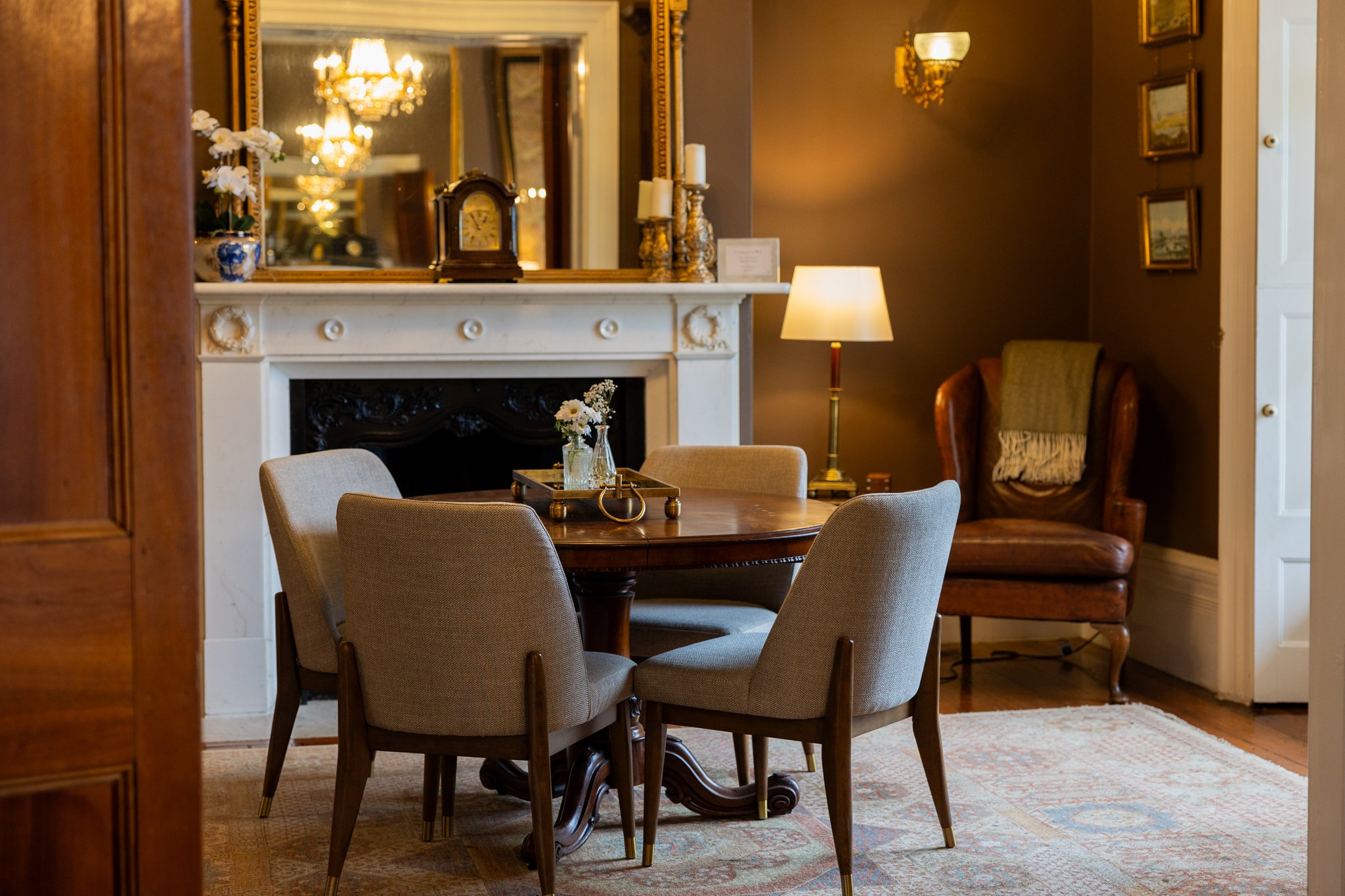
The Ballroom, Dining Room, Drawing Room and Library remain at the heart of the house, with period antiques, fireplaces and original architectural details sitting comfortably alongside the modern luxuries of today.
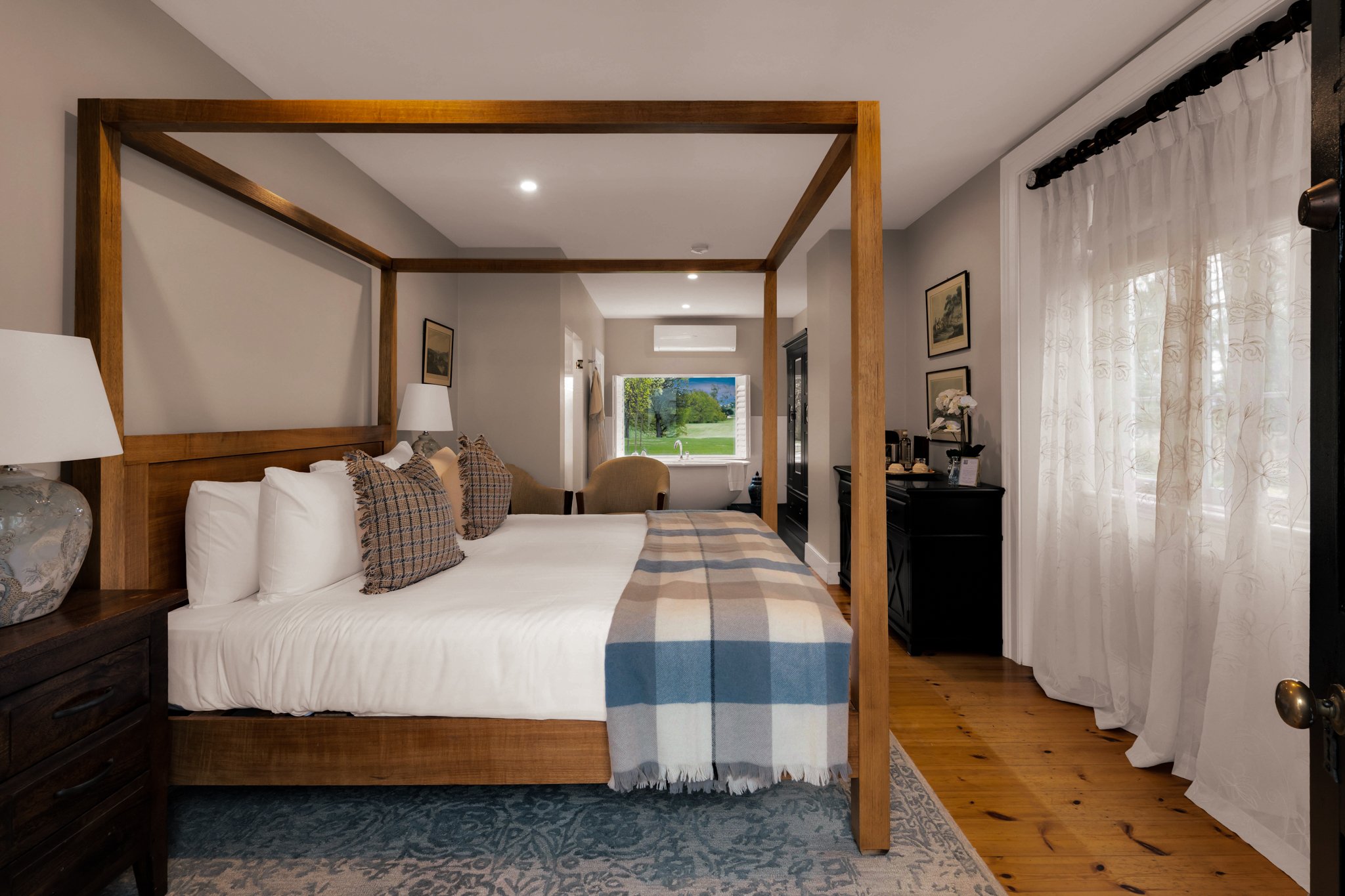
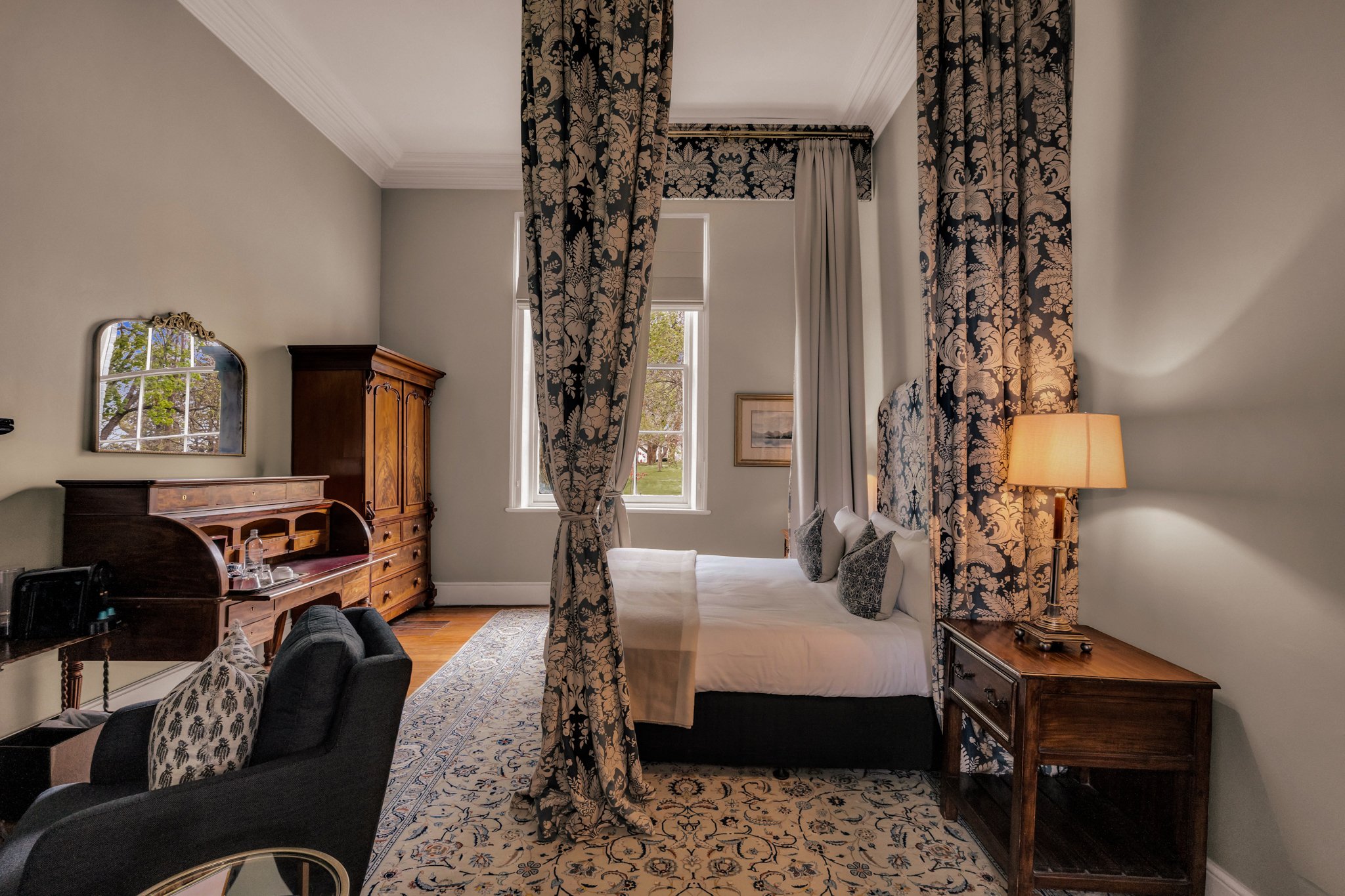
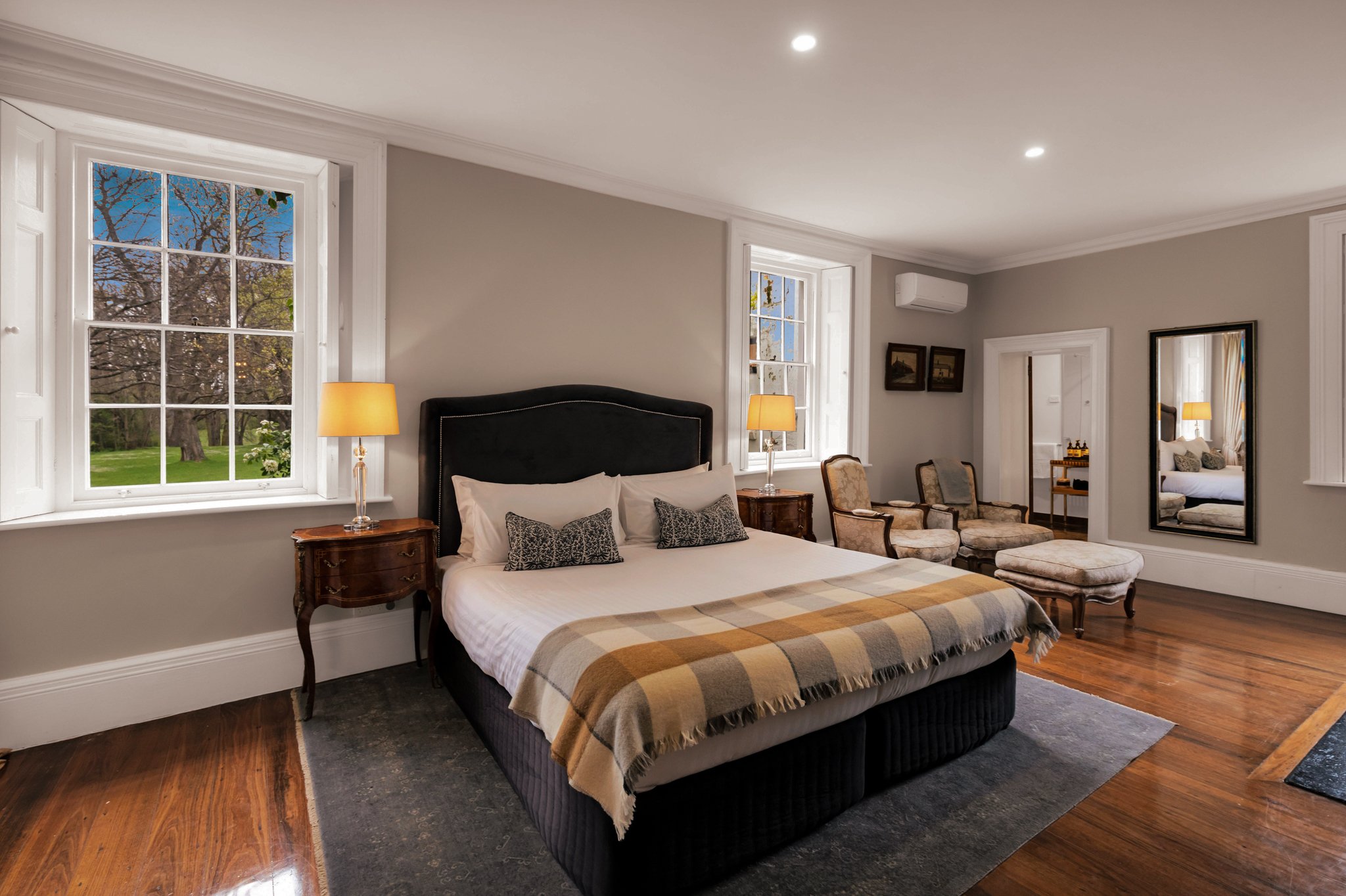
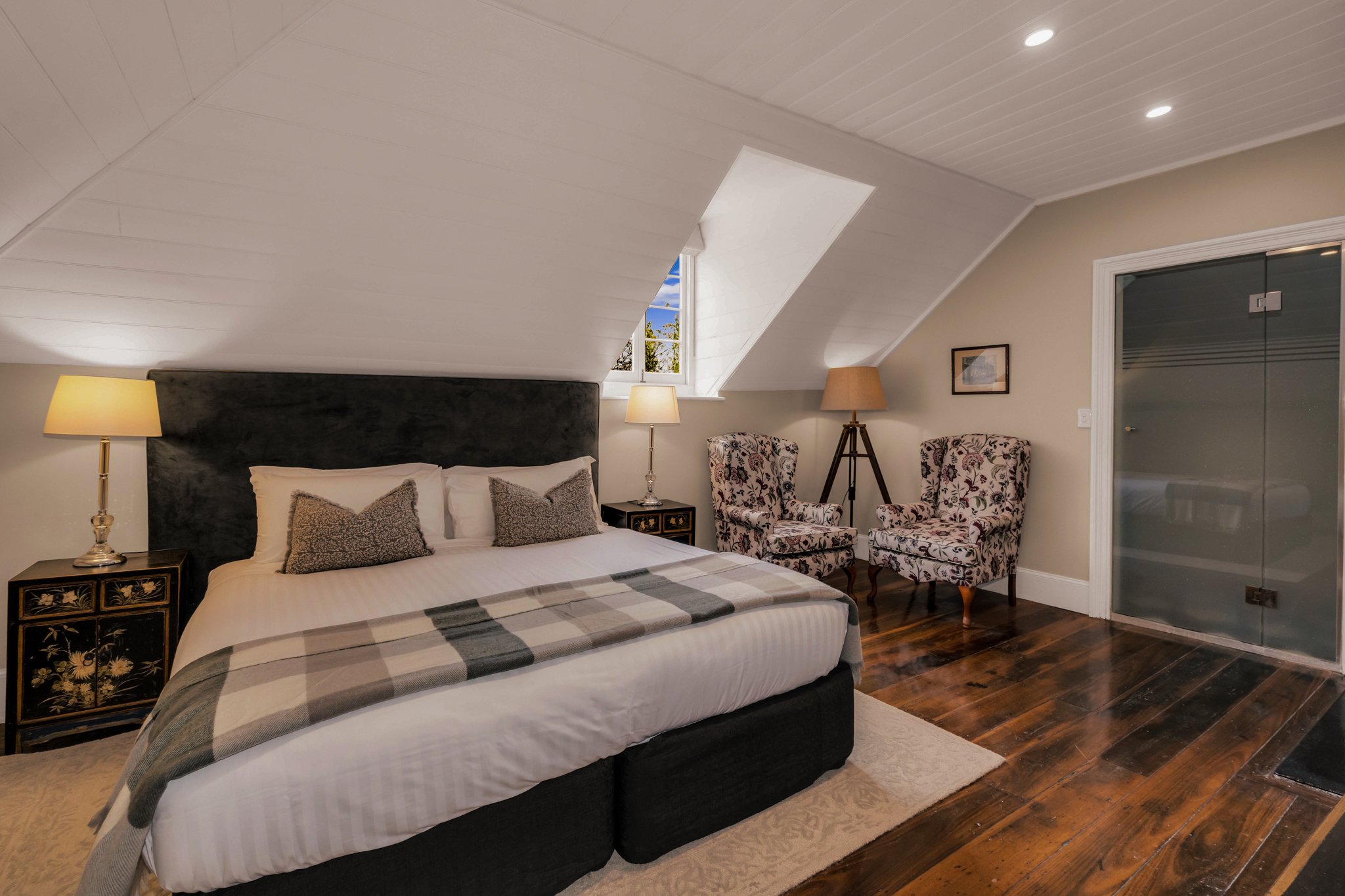
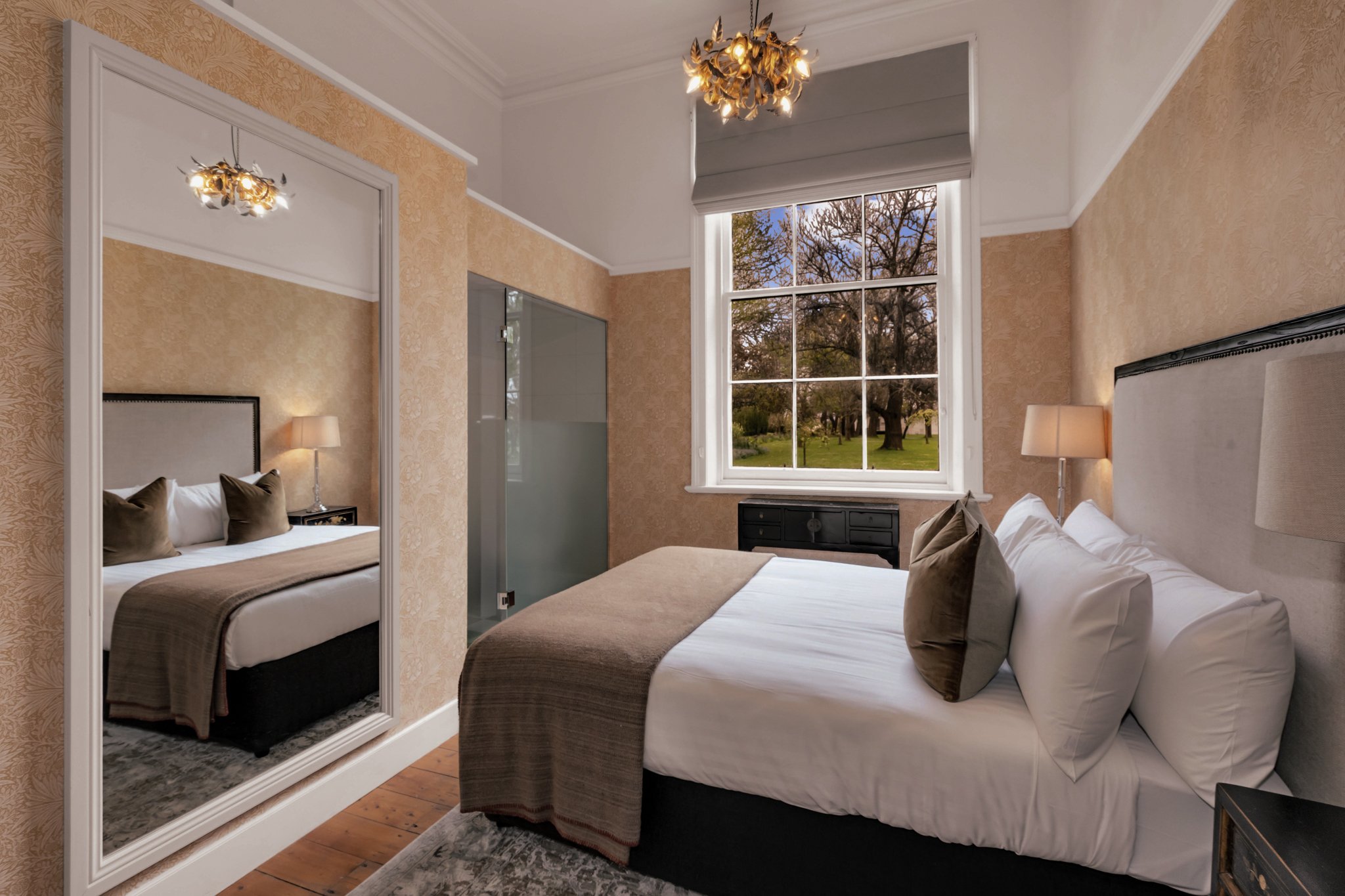
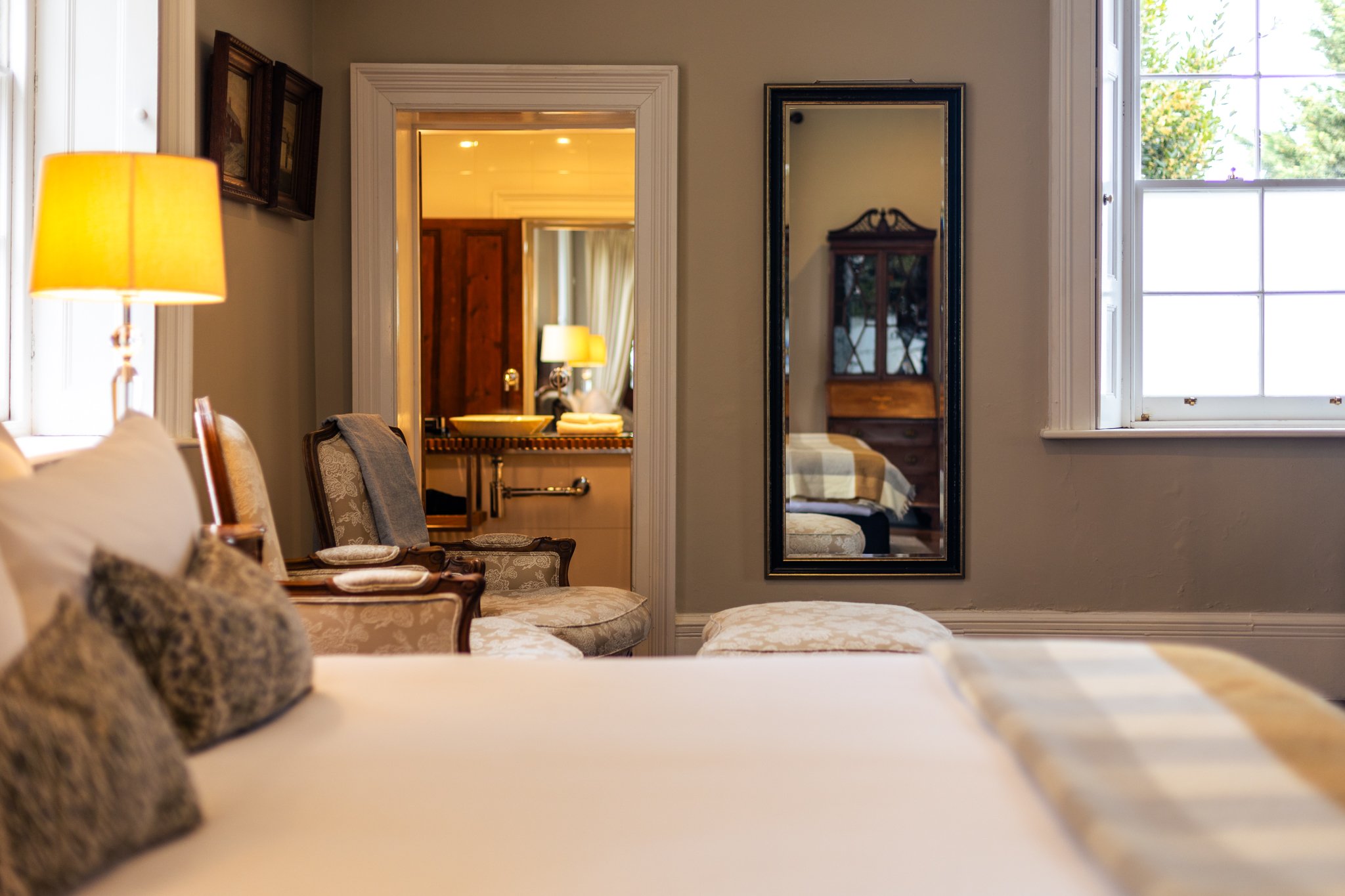
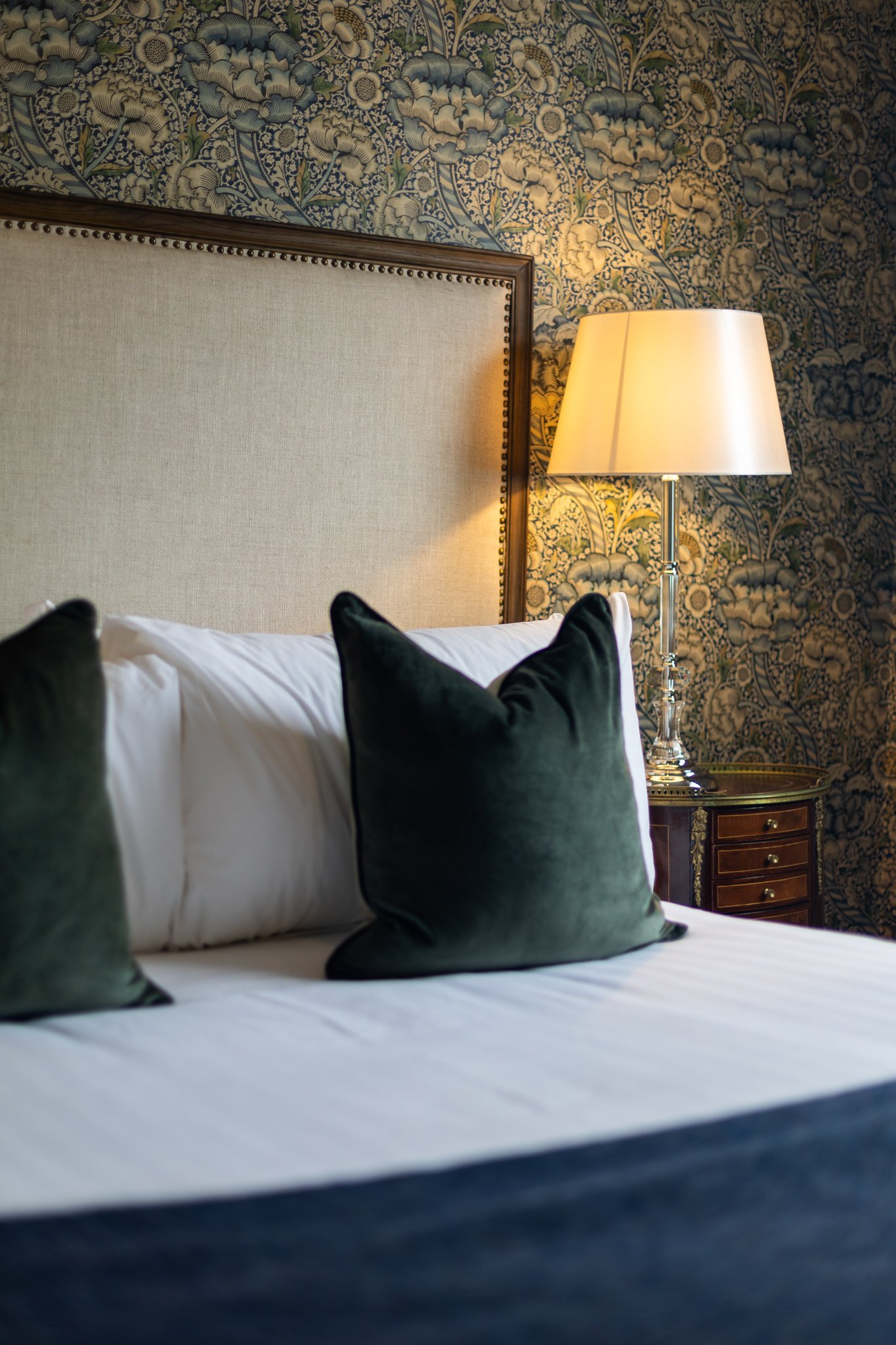
The Homestead now offers 10 individually appointed guest rooms, while the wider Estate includes its golf course, event Pavilion and extensive grounds.
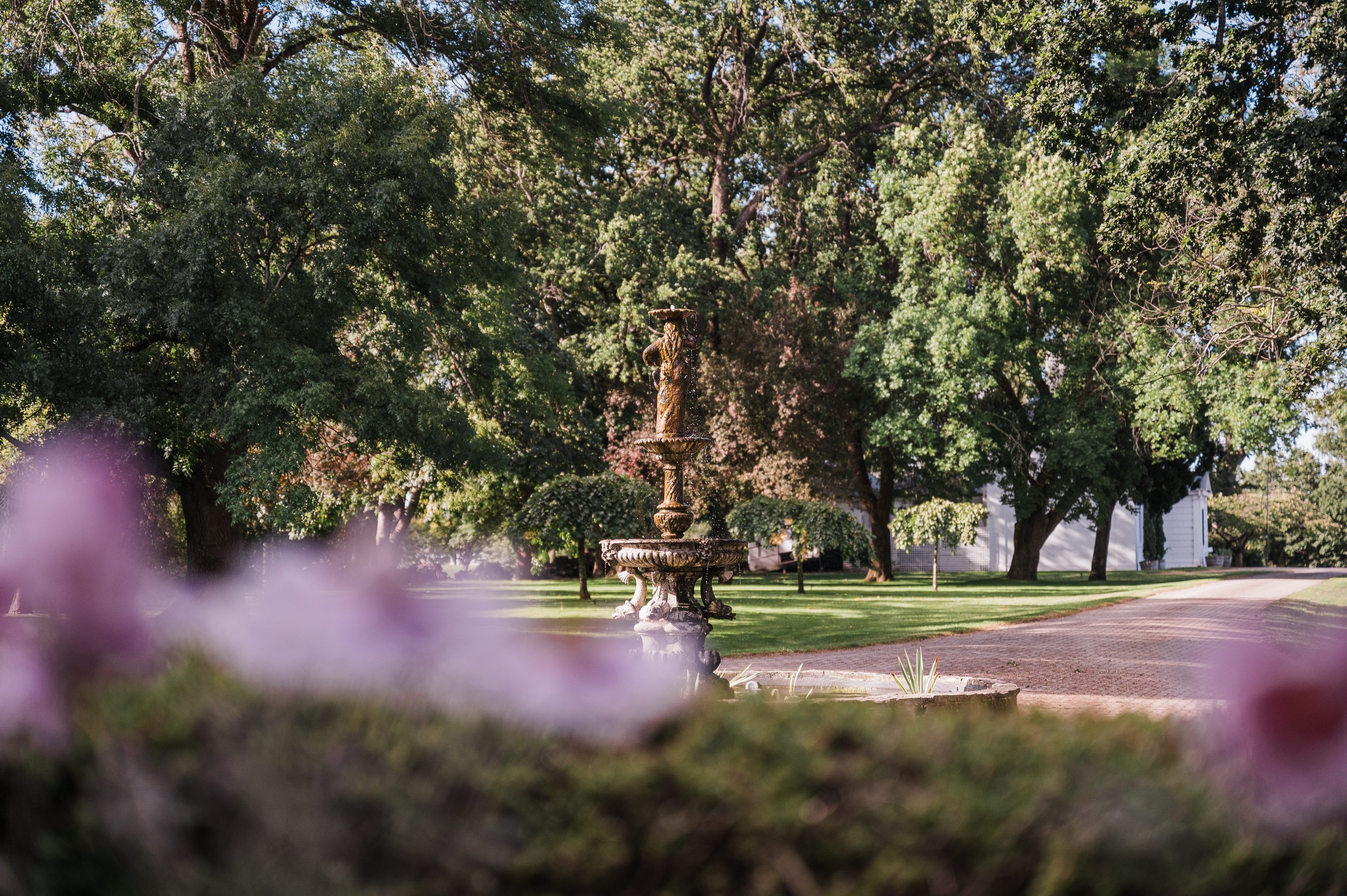
Walk the original tree-lined drive, explore the Estate, play a round of golf or simply find a quiet corner of the Homestead and settle in.
The Dry Family & Quamby
Quamby was the ancestral home of Sir Richard Dry, son of a convict who went on to become one of Tasmania’s most significant early political figures.
Sir Richard became the first Tasmanian-born Premier, the first Australian-born Premier of any Australian state and the first native-born Australian to receive a knighthood.
He was also a member of the influential “Patriotic Six”, who campaigned for an end to convict transportation to Tasmania, and served on the select committee appointed to draft the Tasmanian Constitution.
During the height of his political career, Quamby became known as the “Government House of the North.”
Within its rooms, prominent figures of colonial Tasmania gathered to discuss some of the defining issues of the time — from ending transportation and developing Tasmania’s Constitution to planning the expansion of the State’s railway system.
Sir Richard’s portrait continues to hang in a prominent position within Tasmania’s Parliament House in Hobart.
A Grand Country Estate
The Quamby of Sir Richard Dry’s time was an extraordinary place.
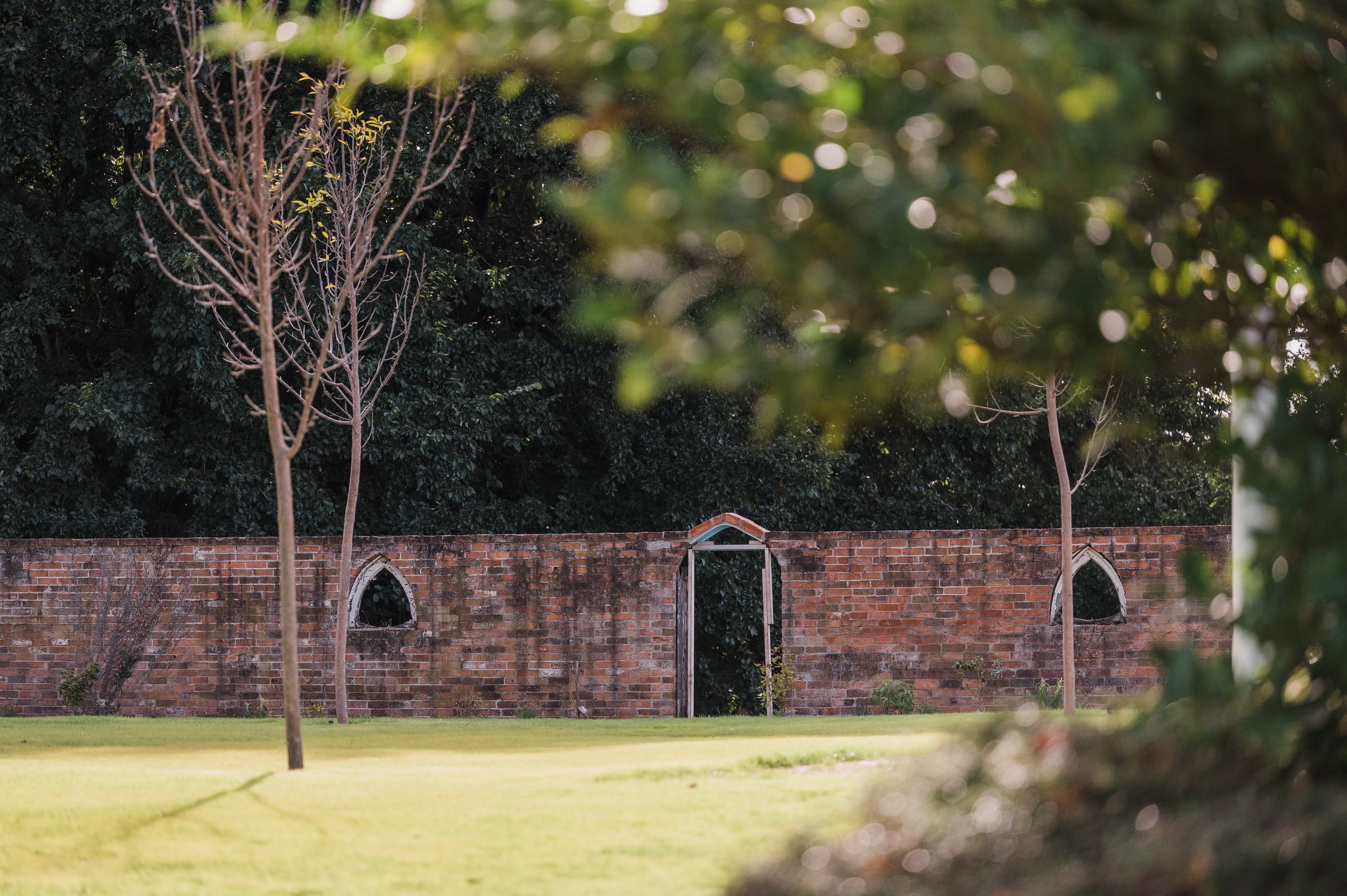
Peacocks are said to have strutted across the front lawns, while deer wandered the parklands. Twelve gardeners tended the ornamental sunken garden and parts of the Estate were occupied by tenant farmers, following the traditions of the great English country estates.
An Estate office of classical Georgian design, complete with a front-gabled porch, was constructed as the residence of the Estate manager.
Much of what gives Quamby its character today can still be traced back to this era.
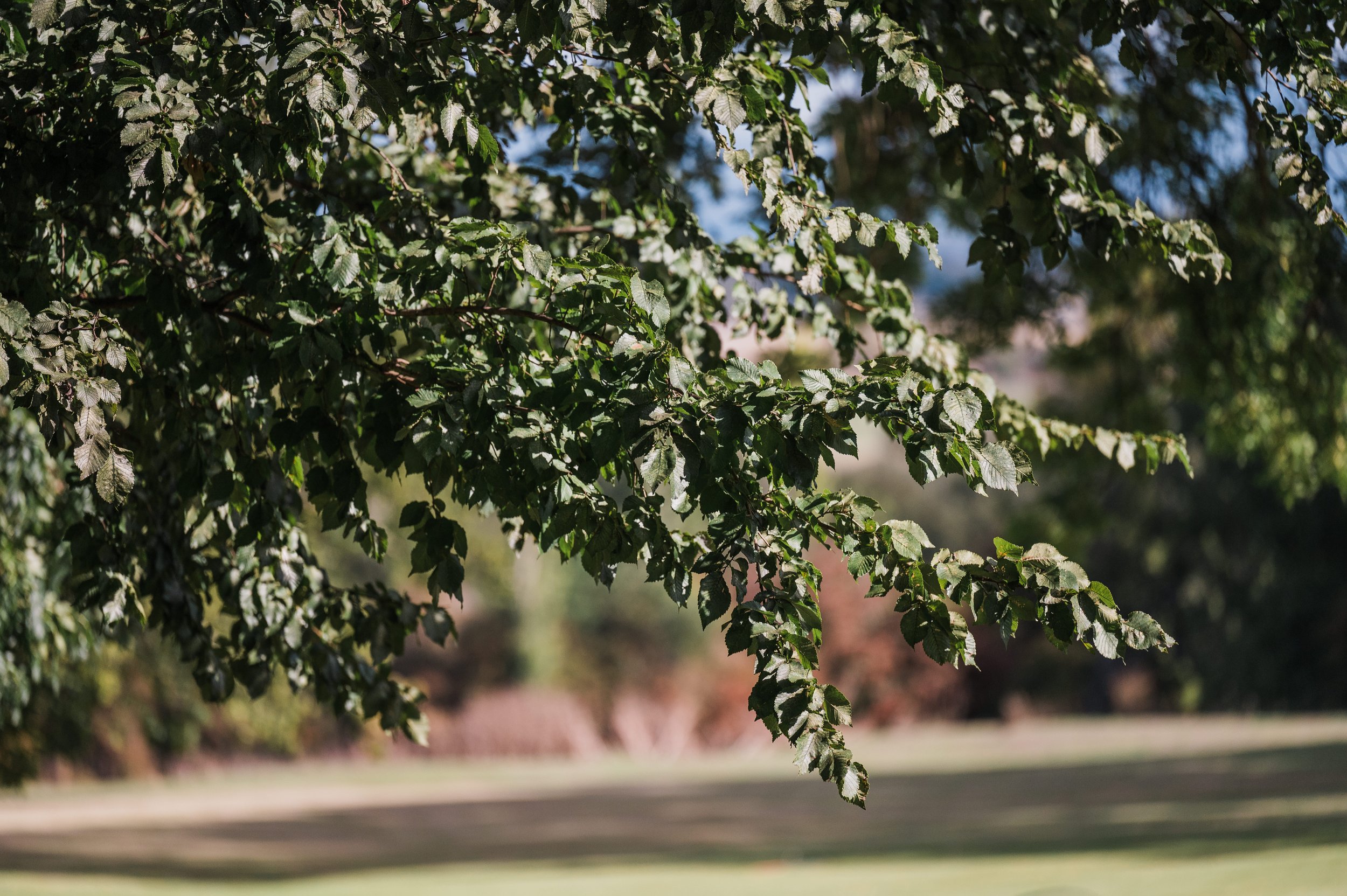
The magnificent mature English elms, poplars and other established trees throughout the grounds remain an enduring legacy of the Dry family and generations of custodians who followed.
A New Chapter
Sir Richard Dry had no heirs and began reducing the vast Quamby landholding shortly before his death in 1869. He was buried beneath the chancel of St Mary’s Church at Hagley, a church he founded, and Lady Dry subsequently sold Quamby before returning to England.
Over the generations that followed, Quamby changed hands and evolved, but the Homestead and its remarkable setting endured.
Today, Quamby is cared for by custodians with a deep love of Tasmania, its heritage and its landscapes, committed to preserving the character of this remarkable Estate while allowing it to continue to be enjoyed.
Quamby is not intended to be frozen in time.
It is still a country house filled with people. A place for long lunches and fireside drinks, weddings and celebrations, rounds of golf, weekends away and families and friends coming together.
Almost 200 years after the Homestead was completed, the story of Quamby continues.
A Little Quamby Legend
The Estate's golf course has its own connection to another famous Sir Richard.
Sir Richard Branson holds Quamby Golf’s No. 1 Membership.
A fitting modern footnote to an Estate whose story began with another Sir Richard almost two centuries ago.